

Owner

Looking for the best places in the UK to maximize your earnings as a Software Engineer?
We’ve compiled a list of the top-paying locations, along with house prices in those areas and a salary-to-house-price ratio to help you see where you can make your money go further!

Newcastle:
- Average House Price: £207,000
- Average Salary: £44,000
- House Price to Salary Ratio: 4.7
Birmingham:
- Average House Price: £234,000
- Average Salary: £47,000
- House Price to Salary Ratio: 5.0
Southampton:
- Average House Price: £233,000
- Average Salary: £48,000
- House Price to Salary Ratio: 4.9
Edinburgh:
- Average House Price: £295,000
- Average Salary: £50,000
- House Price to Salary Ratio: 5.9
Bristol:
- Average House Price £352,000
- Average Salary: £52,000
- House Price to Salary Ratio: 6.8
Oxford:
- Average House Price: £475,000
- Average Salary: £58,000
- House Price to Salary Ratio: 8.2
Cambridge:
- Average House Price: £462,000
- Average Salary: £60,000
- House Price to Salary Ratio: 7.7
London:
- Average House Price: £527,000
- Average Salary: £68,000
- House Price to Salary Ratio: 7.8
Do you want more for your money?
Let’s connect and help you get paid what you deserve!
Start exploring high-paying roles with us today!

Are you ready for the changes?
A number of employment law changes are being introduced over the coming months, and it's important for employers to understand what's changing and when.
We've created this simple handbook to give you a quick overview of the key changes and what you need to know.
The upcoming changes:
- Changes to Unfair Dismissal
- Trade Union Reform
- Employment Tribunal Time Limits
- Harrassment Protections

Looking for the best places in the UK to maximize your earnings as an RF Engineer?
We’ve compiled a list of the top-paying locations, along with house prices in those areas and a salary-to-house-price ratio to help you see where you can make your money go further!

Newcastle:
- Average House Price: £207,000
- Average Salary: £48,000
- House Price to Salary Ratio: 4.3
Birmingham:
- Average House Price: £233,000
- Average Salary: £46,000
- House Price to Salary Ratio: 5.1
Southampton:
- Average House Price: £236,000
- Average Salary: £58,000
- House Price to Salary Ratio: 4.1
Edinburgh:
- Average House Price: £296,000
- Average Salary: £58,000
- House Price to Salary Ratio: 5.1
Bristol:
- Average House Price £355,000
- Average Salary: £58,000
- House Price to Salary Ratio: 6.1
Oxford:
- Average House Price: £473,000
- Average Salary: £52,000
- House Price to Salary Ratio: 9.1
Cambridge:
- Average House Price: £467,000
- Average Salary: £62,000
- House Price to Salary Ratio: 7.5
London:
- Average House Price: £545,000
- Average Salary: £78,000
- House Price to Salary Ratio: 7.0
Do you want more for your money?
Let’s connect and help you get paid what you deserve!
Start exploring high-paying roles with us today!

Looking for the best places in the UK to maximize your earnings as an Electronic Engineer?
We’ve compiled a list of the top-paying locations, along with house prices in those areas and a salary-to-house-price ratio to help you see where you can make your money go further!

Newcastle:
- Average House Price: £207,000
- Average Salary: £53,956
- House Price to Salary Ratio: 3.8
Birmingham:
- Average House Price: £233,000
- Average Salary: £44,601
- House Price to Salary Ratio: 5.2
Southampton:
- Average House Price: £236,000
- Average Salary: £42,120
- House Price to Salary Ratio: 5.6
Edinburgh:
- Average House Price: £296,000
- Average Salary: £56,885
- House Price to Salary Ratio: 5.2
Bristol:
- Average House Price £355,000
- Average Salary: £50,496
- House Price to Salary Ratio: 7.0
Oxford:
- Average House Price: £473,000
- Average Salary: £51,736
- House Price to Salary Ratio: 9.1
Cambridge:
- Average House Price: £467,000
- Average Salary: £53,045
- House Price to Salary Ratio: 8.8
London:
- Average House Price: £545,000
- Average Salary: £54,434
- House Price to Salary Ratio: 10.0
Do you want more for your money?
Let’s connect and help you get paid what you deserve!
Start exploring high-paying roles with us today!

Looking for the best places in the UK to maximize your earnings as an Mechanical Engineer?
We’ve compiled a list of the top-paying locations, along with house prices in those areas and a salary-to-house-price ratio to help you see where you can make your money go further!

Newcastle:
- Average House Price: £236,189
- Average Salary: £39,904
- House Price to Salary Ratio: 5.9
Birmingham:
- Average House Price: £230,000
- Average Salary: £42,357
- House Price to Salary Ratio: 5.4
Southampton:
- Average House Price: £290,238
- Average Salary: £51,243
- House Price to Salary Ratio: 5.7
Edinburgh:
- Average House Price: £333,315
- Average Salary: £48,938
- House Price to Salary Ratio: 6.8
Bristol:
- Average House Price 393,103
- Average Salary: £43,047
- House Price to Salary Ratio: 9.1
Oxford:
- Average House Price: £556,821
- Average Salary: £45,396
- House Price to Salary Ratio: 12.3
Cambridge:
- Average House Price: £558,980
- Average Salary: £47,102
- House Price to Salary Ratio: 11.9
London:
- Average House Price: £663,491
- Average Salary: £58,000
- House Price to Salary Ratio: 11.4
Do you want more for your money?
Let’s connect and help you get paid what you deserve!
Start exploring high-paying roles with us today!
Engineering Salary Benchmarking Tool
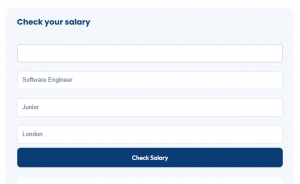
Salary Benchmark Calculator
See how your pay compares with the market for your role, level and region.

Looking for the best places in the UK to maximize your earnings as an Optics Engineer?
We’ve compiled a list of the top-paying locations, along with house prices in those areas and a salary-to-house-price ratio to help you see where you can make your money go further!

Newcastle:
- Average House Price: £236,189
- Average Salary: £42,000
- House Price to Salary Ratio: 5.6
Birmingham:
- Average House Price: £230,000
- Average Salary: £45,000
- House Price to Salary Ratio: 5.1
Southampton:
- Average House Price: £290,238
- Average Salary: £60,000
- House Price to Salary Ratio: 4.8
Edinburgh:
- Average House Price: £333,315
- Average Salary: £58,000
- House Price to Salary Ratio: 5.7
Bristol:
- Average House Price 393,103
- Average Salary: £62,000
- House Price to Salary Ratio: 6.3
Oxford:
- Average House Price: £556,821
- Average Salary: £50,000
- House Price to Salary Ratio: 11.1
Cambridge:
- Average House Price: £558,980
- Average Salary: £73,000
- House Price to Salary Ratio: 7.6
London:
- Average House Price: £663,491
- Average Salary: £66,000
- House Price to Salary Ratio: 10.0
Do you want more for your money?
Let’s connect and help you get paid what you deserve!
Start exploring high-paying roles with us today!

Looking for the best places in the UK to maximize your earnings as an FPGA Engineer?
We’ve compiled a list of the top-paying locations, along with house prices in those areas and a salary-to-house-price ratio to help you see where you can make your money go further!

Newcastle:
- Average House Price: £236,189
- Average Salary: £49,000
- House Price to Salary Ratio: 4.8
Birmingham:
- Average House Price: £230,000
- Average Salary: £55,000
- House Price to Salary Ratio: 4.2
Southampton:
- Average House Price: £290,238
- Average Salary: £66,000
- House Price to Salary Ratio: 4.4
Edinburgh:
- Average House Price: £333,315
- Average Salary: £65,000
- House Price to Salary Ratio: 5.1
Bristol:
- Average House Price 393,103
- Average Salary: £72,000
- House Price to Salary Ratio: 5.5
Oxford:
- Average House Price: £556,821
- Average Salary: £66,000
- House Price to Salary Ratio: 8.4
Cambridge:
- Average House Price: £558,980
- Average Salary: £75,000
- House Price to Salary Ratio: 11.77
London:
- Average House Price: £663,491
- Average Salary: £90,000
- House Price to Salary Ratio: 7.3
Do you want more for your money?
Let’s connect and help you get paid what you deserve!
Start exploring high-paying roles with us today!
Engineering Recruitment for Hiring Managers

Engineering managers today face increasing pressure to hire the right engineers quickly, especially in competitive markets where talent is scarce. Many search for better ways to recruit engineers, improve shortlists, and identify the skills that matter most in technical roles. These searches often focus on faster hiring solutions and strategies to attract qualified engineering talent.
We provide specialist engineering recruitment designed around these real challenges - helping hiring managers secure the technical talent their teams depend on.
What Engineering Managers Look For in Engineering Talent
When engineering leaders search for recruitment support, they consistently prioritise engineers with strong technical expertise, communication skills, problem‑solving ability, and the capacity to work effectively within a team. These core qualities are among the top attributes hiring managers evaluate when selecting the right candidates for engineering roles.
Our approach focuses on identifying and presenting candidates who meet these exact criteria.
What Engineering Managers Search For When Hiring Engineers:
Faster ways to hire engineers
Managers frequently search for efficient, reliable hiring methods due to increasing competition for technical skills. We deliver quick, accurate shortlisrs shaped by sector expertise
Support in building and strengthening engineering teams
Engineering leaders also look for guidance on team structure, leadership, and engineering culture as part of their growth strategy.
We align talent recommendations with long‑term technical needs.
Recruitment partners who understand engineering
Hiring managers look for recruiters who communicate clearly, understand technical requirements, and add genuine value to the process. These traits are central to choosing a reliable technical recruitment partner.
We work closely with engineering leaders to provide clarity, consistency, and technical insight at every stage.
Find the Engineering Talent Your Team Needs
If you're searching for engineering with the right mix of technicalability, problem-solving skills, and team fit, we support hiring manager in securiring high-quality engineering talent across a wide range of technical sectors.
Embedded Software Engineering Market 2026

The embedded systems market is entering 2026 with extraordinary momentum , and we’re feeling the impact firsthand.
Over the past year. we've seem a sharp influx of highly skilled embedded software engineering coming to us from sectors such as defence, aerospace, industrial automation, medical devices, automotice and edge-AI computing.
Even with this increase in engagement, the talent pool is shrinking.
Why the Talent Pool Is Shrinking?
Across every sector we recruit for, one theme keeps resurfacing: there are fewer embedded engineers available than ever before. And the reasons stretch across multiple parts of the talent pipeline
1. Fewer graduates entering the discipline
Over several years, UK universities have seen fluctuating enrolments in computer engineering, embedded systems, and electronics programmes. Employers tell us they’re receiving fewer graduate applications, and the ones who do apply often lack hands‑on embedded experience unless they’ve completed specialised internships or personal projects.
2. Early retirements & post‑pandemic career shifts
We’re also seeing highly experienced embedded engineers retiring earlier or transitioning into consultancy work. This loss of senior expertise is acutely felt in sectors like aerospace, defence, and industrial controls, where deep domain knowledge is essential and takes years to develop.
3. Reduced visa sponsorship & ongoing Brexit impact
The UK’s tightening approach to work visas - combined with long‑term Brexit repercussions - has significantly reduced international talent flow. Before Brexit, many embedded specialists moved freely into the UK market from Europe; that pipeline is now far narrower. This aligns with broader market data showing declining international technical mobility following Brexit and visa-policy shifts.
4. Rising living costs driving talent out of major hubs
The cost of living continues to push engineers away from parts of the UK - especially the South East and London - where many embedded‑heavy industries operate. For some, remote‑only roles have become a necessity, not a preference.
5.The rise of “passive talent”
Perhaps the most defining characteristic of today’s embedded market is how many engineers are not actively looking. We estimate that more than 70% of embedded engineers we speak to are currently passive - they’re open to hearing about opportunities, but not on the market in the traditional sense. Employers who rely solely on job ads are missing the majority of the available talent
What This Means for Employers in 2026
In the current climate, hiring embedded engineers requires a strategic, relationship‑based approach:
1. Target passive talent
Since most embedded engineers aren’t actively job hunting, success depends on long‑term engagement, personalised outreach, and an understanding of what motivates them - whether that’s technical challenge, career development, or flexibility.
2. Highlight flexibility and work‑life balance
Rising living costs and geographical constraints mean hybrid or remote options make a noticeable difference.
3. Upskill internally where possible
Given the shortage, investing in training existing engineers - particularly firmware specialists transitioning into embedded systems - helps future‑proof teams.
4. Move quickly once you find the right person
In the embedded space, great candidates typically receive multiple offers. The companies that act decisively secure the best engineers.